
Understanding the psychology behind why we gamble insights and implications
The allure of gambling
Gambling presents a thrilling experience that captures the imagination of many, driven by the potential for significant financial gain and the adrenaline rush it provides. The psychological appeal stems from the unpredictability of outcomes, which creates a sense of excitement and anticipation. This uncertainty, often referred to as “the thrill of the unknown,” keeps players engaged, as each game becomes a new opportunity for both risk and reward. If you’re looking for a perfect getaway while enjoying gaming, consider visiting petallodgeholidaylet.co.uk for a refreshing experience.
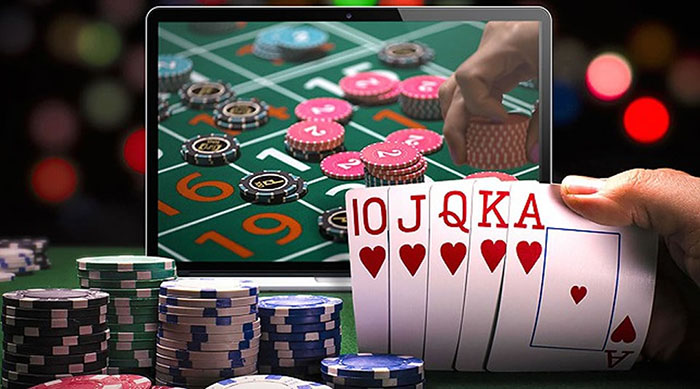
The anticipation built around gambling taps into a deeply ingrained psychological principle known as the “variable reward schedule.” This concept, common in behavioral psychology, suggests that rewards given unpredictably strengthen behaviors more than fixed rewards. When a gambler wins unexpectedly, the rush of dopamine released in the brain reinforces the behavior, creating a cycle of desire that keeps them returning for more.
Moreover, social factors contribute significantly to the allure of gambling. Many individuals are drawn to casinos and betting environments not just for the games but also for the social interaction they provide. The communal aspect of gambling can enhance feelings of connection and belonging, making the experience more enjoyable. Social validation from peers can also increase the perceived value of gambling activities, further driving engagement.
The role of cognitive biases
Cognitive biases play a crucial role in the psychology of gambling, influencing how individuals perceive risks and rewards. One prominent bias is the “illusion of control,” where gamblers believe they can influence outcomes through their actions, even in games purely based on chance. This mindset can lead to overconfidence and more frequent betting, as players feel empowered by their perceived skills or strategies.
Another common bias is the “gambler’s fallacy,” the belief that past events can influence future outcomes. For instance, a player may think that because a certain number has not been rolled recently, it is more likely to appear next. This misinterpretation of randomness can lead to erroneous betting patterns, causing individuals to place bets based on flawed logic.
Additionally, the “availability heuristic” comes into play when gamblers recall recent winnings more easily than losses. This selective memory can create a distorted perception of their gambling success, reinforcing the desire to continue betting. The combination of these cognitive biases serves to enhance the gambling experience, often leading individuals to make irrational decisions that can adversely affect their financial and emotional well-being.
The impact of emotions
Emotions play a significant role in the decision-making process behind gambling. Many individuals turn to gambling as a coping mechanism for stress, anxiety, or even boredom. The highs and lows of gambling can create a rollercoaster of emotions, providing a temporary escape from life’s challenges. This emotional engagement can foster a deeper addiction, as individuals seek to recreate those moments of excitement.
Moreover, the excitement of winning can lead to a false sense of security, reinforcing the idea that gambling is an effective way to improve one’s financial situation. The emotional high from a win can overshadow rational thinking, leading to impulsive decisions and increased betting. Conversely, losses can elicit feelings of despair, prompting some individuals to chase their losses in an attempt to regain their previous winnings. This cycle of emotional highs and lows can entrap gamblers in a dangerous loop of behavior.
Understanding the emotional triggers that lead to gambling can help in developing healthier coping strategies. Individuals can benefit from recognizing when they are gambling to escape negative emotions and finding alternative activities that provide emotional relief without the associated risks. By addressing the root causes of their feelings, individuals may find it easier to disengage from harmful gambling behaviors.
The societal implications of gambling
The rise of gambling, particularly online platforms, has far-reaching societal implications. While it can provide entertainment and revenue for economies, it also poses significant risks. Problem gambling can lead to financial hardship, relationship issues, and mental health problems, which can strain social services and healthcare systems. Communities may face increased crime rates and other social issues as a direct result of gambling-related problems.
Furthermore, the normalization of gambling through advertising and social media can desensitize individuals to its risks. Younger audiences, in particular, may be influenced by portrayals of gambling as a glamorous and harmless activity. This perception can lead to increased participation among young adults, potentially resulting in a new generation facing gambling addiction and its associated consequences.
Addressing these societal implications requires a collective effort from policymakers, educators, and the gambling industry. Implementing awareness campaigns about responsible gambling practices and offering support systems for those affected by problem gambling can create a more informed public. Establishing regulations around advertising and accessibility can also help mitigate the risks associated with gambling activities.

Conclusion: Understanding gambling’s psychological landscape
Understanding the psychology behind gambling can illuminate the complex motivations and consequences associated with this activity. By exploring the allure of gambling, cognitive biases, emotional impacts, and societal implications, we can better appreciate why individuals are drawn to it and the risks involved. This understanding can empower individuals to make informed decisions and promote healthier gambling habits.
Ultimately, awareness is key. By recognizing the psychological factors at play, both players and the broader community can work towards creating a safer gambling environment. Open discussions about the risks, education on responsible gambling, and support for those struggling can contribute to healthier practices and mitigate the negative effects of gambling. Through a combined effort, we can create an ecosystem that prioritizes well-being while acknowledging the allure of gambling.